
Multifunction Printer Leasing: Weighing the Pros and Cons for Your Business
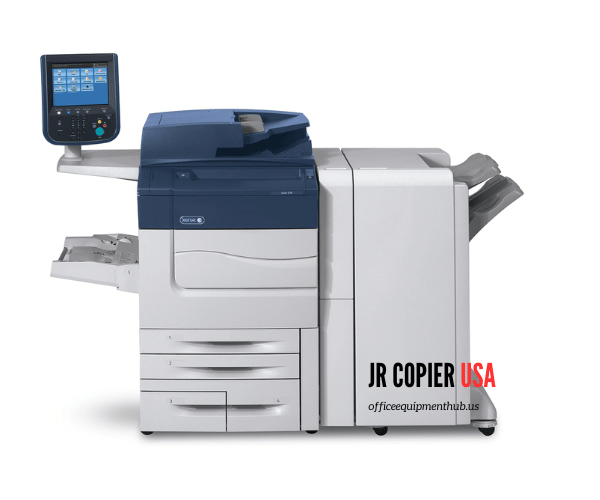
In the modern business world, efficiency and cost-effectiveness are paramount. One crucial aspect of office operations is the use of multifunction printers (MFPs), also known as all-in-one printers or multifunction devices (MFDs). These versatile machines combine printing, scanning, copying, and faxing capabilities into a single unit, streamlining workflows and saving valuable office space. When it comes to acquiring an MFP, businesses often face the decision of whether to purchase or lease the equipment. In this article, we’ll explore the advantages and disadvantages of MFP leasing to help you make an informed choice for your organization.
MFD Printer Leasing: Advantages and Disadvantages
In today’s fast-paced business environment, having reliable and efficient office equipment is crucial for success. One essential piece of equipment is the multifunction device (MFD) printer, which combines printing, scanning, copying, and faxing capabilities into a single machine. For many businesses, leasing an MFD printer has become an increasingly popular alternative to purchasing one outright. In this article, we’ll explore the advantages and disadvantages of MFD printer leasing to help you make an informed decision for your organization.
Advantages of MFD Printer Leasing
1. Lower Upfront Costs
One of the most significant advantages of leasing an MFD printer is the lower upfront cost compared to purchasing the equipment outright. Leasing allows businesses to acquire the necessary technology without a substantial initial investment, freeing up capital for other essential expenses. This is particularly beneficial for small businesses or startups with limited financial resources.
2. Predictable Monthly Expenses
Leasing an MFD printer usually involves a fixed monthly payment for the duration of the lease term. This predictability in expenses makes budgeting and financial planning more manageable, as businesses can accurately forecast their office equipment costs. Predictable monthly expenses also help avoid unexpected repair or replacement costs that may arise with owned equipment.
3. Access to Latest Technology
MFD printer technology is continuously evolving, with new features and capabilities being introduced regularly. By leasing an MFD printer, businesses can easily upgrade to the latest models at the end of their lease term, ensuring they always have access to the most advanced features and functionalities. This is particularly important for companies that rely on cutting-edge technology to maintain a competitive edge.
4. Reduced Maintenance and Repair Costs
When leasing an MFD printer, the leasing company often includes maintenance and repair services as part of the lease agreement. This means that businesses can avoid the hassle and expense of dealing with equipment breakdowns or malfunctions. The leasing company takes responsibility for keeping the equipment in good working order, minimizing downtime and ensuring maximum productivity.
5. Flexibility and Scalability
As businesses grow and change, their office equipment needs may evolve as well. Leasing an MFD printer offers the flexibility to adapt to these changes without being tied to a long-term investment. Lease terms can be structured to meet the specific needs of a business, with options for short-term or long-term agreements. Additionally, leasing allows businesses to easily scale their equipment up or down as their requirements change, without the burden of owning obsolete or unnecessary equipment.
6. Potential Tax Benefits
In some cases, leasing an MFD printer may offer tax advantages for businesses. Lease payments are often treated as operating expenses, which can be deducted from taxable income. This can result in lower overall tax liabilities compared to purchasing equipment outright. However, it’s essential to consult with a tax professional to understand the specific tax implications for your business.
Disadvantages of MFD Printer Leasing
1. Higher Long-Term Costs
While leasing an MFD printer may offer lower upfront costs, it can result in higher long-term expenses compared to purchasing the equipment. Over the life of the lease, the total amount paid in lease payments may exceed the purchase price of the printer. This is particularly true for businesses that plan to use the same equipment for an extended period.
2. Limited Ownership and Equity
When leasing an MFD printer, the business does not own the equipment and, therefore, does not build equity in the asset. At the end of the lease term, the business must either return the equipment or negotiate a purchase or lease extension. This lack of ownership can be a disadvantage for businesses that prefer to have complete control over their assets and may want to sell or dispose of the equipment as they see fit.
3. Contractual Obligations and Restrictions
Lease agreements for MFD printers often come with contractual obligations and restrictions that may limit a business’s flexibility. For example, lease contracts may specify a minimum number of prints or copies that must be made each month, or they may restrict the types of materials that can be used with the equipment. Breaking a lease agreement early can also result in significant penalties and fees.
4. Dependence on Leasing Company
When leasing an MFD printer, businesses are dependent on the leasing company for maintenance, repairs, and support. While this can be an advantage in terms of reduced responsibilities, it also means that businesses are at the mercy of the leasing company’s responsiveness and quality of service. Poor service or slow response times can lead to prolonged downtime and decreased productivity.
5. Potential for Outdated Technology
While leasing an MFD printer allows businesses to upgrade to newer models at the end of the lease term, there is also the potential for being stuck with outdated technology during the lease period. As new features and capabilities are introduced, businesses may find that their leased equipment becomes less efficient or competitive compared to newer models on the market.
Factors to Consider When Deciding to Lease an MFD Printer
When deciding whether to lease an MFD printer, businesses should consider several key factors:
- Financial resources and budget constraints
- Expected usage and print volume
- Importance of having the latest technology
- Preferences for ownership and control over assets
- Anticipated growth and changing office equipment needs
- Tax implications and potential benefits
By carefully evaluating these factors and weighing the advantages and disadvantages of MFD printer leasing, businesses can make an informed decision that best aligns with their specific needs and goals.
MFD printer leasing
MFD printer leasing offers a range of advantages for businesses, including lower upfront costs, predictable monthly expenses, access to the latest technology, reduced maintenance and repair costs, flexibility, and potential tax benefits. However, it’s essential to also consider the disadvantages, such as higher long-term costs, limited ownership and equity, contractual obligations and restrictions, dependence on the leasing company, and the potential for outdated technology.
Ultimately, the decision to lease an MFD printer depends on a business’s unique circumstances and priorities. By carefully evaluating the factors involved and considering both the short-term and long-term implications, businesses can make a well-informed choice that supports their operational efficiency, financial stability, and overall success.