Tag: copier rentals

Office Equipment Sales: Copiers and Multifunction Printers (MF Printers)

You’re exploring a pivotal segment of office equipment sales where copiers and multifunction printers (MF printers) hold significant importance in today’s flexible office setups. As remote work gains traction, these devices, enhanced by advancements in smart technology, provide seamless document management, high-quality output, and improved energy efficiency. The market is seeing steady growth due to the increasing need for compact and multifunctional solutions, streamlined by enhanced connectivity and cloud integration. With a shift towards digital and sustainable practices, companies are focusing on device optimization and user-friendly interfaces to meet advanced, eco-friendly regulatory standards. Learning more unfolds the complexities further.

Definition of Multifunction Printers

versatile multitasking all in one integrated printers

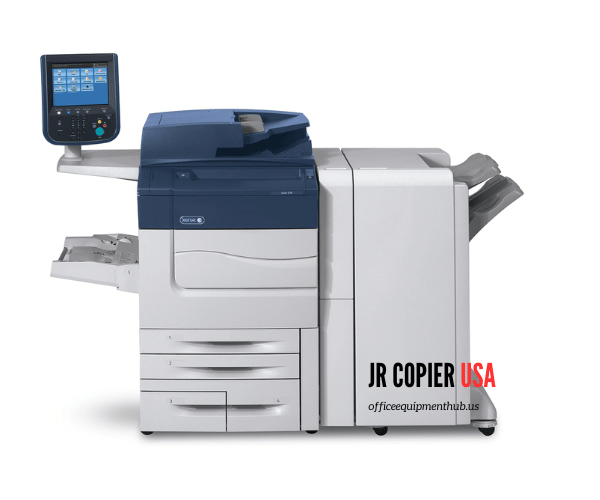
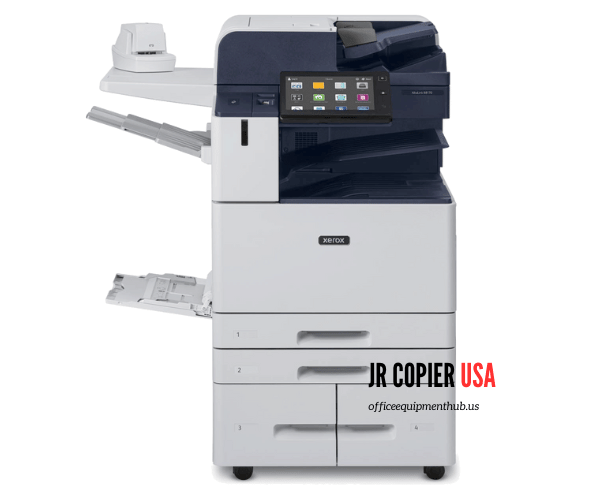
When you consider multifunction printers, you’re looking at versatile devices that combine printing, scanning, copying, and faxing capabilities in one compact machine, providing an all-encompassing solution that enhances your office workflow.

These printers often offer various connectivity options, such as Wi-Fi, Ethernet, and USB, ensuring seamless integration with your existing devices and networks, while maintaining compatibility with different operating systems. Additionally, multifunction printers are designed to be cost-effective and efficient, reducing the need for multiple devices and helping you save on operational costs and space.

Features and Capabilities Overview

Multifunction printers, often called MFPs, combine various functionalities like printing, scanning, copying, and faxing into one compact device. These MFPs meet all your document needs efficiently and are essential for both small businesses and large corporations.

They save space and streamline processes, providing you with seamless interchanges between tasks that once required multiple machines. With features such as automatic document feeders and duplex printing, MFPs enhance productivity while reducing paper wastage.

Advanced scanning options, including optical character recognition, allow you to convert paper documents into editable digital files effortlessly. User-friendly interfaces make it simpler to navigate various functions, ensuring that your team experiences smooth operation without extensive training.

Connectivity and Compatibility Insights

One of the key aspects of multifunction printers (MFPs) is their connectivity and compatibility with various devices and networks. As you explore MFPs, you’ll find they seamlessly integrate into your work environment, connecting everyone in your team. Compatibility with different platforms and devices guarantees you and your colleagues aren’t limited in your workflows.

MFPs support:

  • Wireless Connectivity: You can effortlessly print from any device without tangled cables.
  • Cloud Integration: Access and print documents stored in the cloud, fostering collaboration within your team.
  • Mobile Device Compatibility: Use smartphones or tablets to manage printing tasks with ease.

Cost-Effectiveness and Efficiency

A crucial consideration when selecting office equipment is evaluating its cost-effectiveness and efficiency, particularly with multifunction printers (MFPs). You’ll find that MFPs streamline various functions such as printing, scanning, copying, and faxing into one compact device, considerably reducing the need for multiple machines and cutting operational costs.

When you integrate MFPs into your workflow, they don’t just occupy less space but also simplify maintenance routines and optimize energy usage, contributing to overall cost savings. By investing in MFPs, you’re aligning with a technology that enhances productivity and reduces your carbon footprint, creating a productive and environmentally sound work environment that fosters a sense of community.

Efficiency and economy go hand in hand, empowering your team to perform seamlessly.

Benefits

advantages perks gains upsides

You’ll find that incorporating multifunction printers into your workplace offers several significant benefits that enhance daily operations. These devices improve workflow efficiency by seamlessly combining printing, scanning, and copying functions, while also providing cost-effective document solutions through reduced energy consumption and material use.

Additionally, with their high-quality output production and eco-friendly printing options, multifunction printers meet modern business needs without compromising environmental responsibility.

Enhanced Workflow Efficiency

Streamlining processes becomes essential in boosting productivity and minimizing errors in any office setting. Incorporating copiers and multifunction printers (MF printers) into your daily workflow can drastically enhance efficiency and make a remarkable difference in the way your team collaborates and completes tasks. By centralizing various functions such as printing, scanning, and copying, these devices not only improve task management but also help in time conservation and error reduction.

You’ll notice immediate improvements in:

  • Document handling: Automated options reduce manual input, leading to fewer mistakes.
  • Task speed: High-performance devices speed up job completion times, enabling you to focus on what truly matters.
  • Collaboration: Seamless sharing features foster a stronger sense of teamwork among colleagues.

Integrating these solutions guarantees that every team member feels supported and empowered to achieve more.

Cost-Effective Document Solutions

Some may argue that finding cost-effective document solutions is a formidable task, but embracing the right technology can considerably reduce expenses. Investing in copiers and multifunction printers (MF Printers) not only trims down the total cost of ownership but also simplifies maintenance.

Opt for devices with low energy consumption and high yield toner cartridges, reducing operational costs and contributing to environmental sustainability, which enhances your organization’s corporate responsibility. In addition, these devices often come with secure printing features, safeguarding sensitive information and eliminating unnecessary paper usage.

High-Quality Output Production

Delivering high-quality output often positions your organization ahead in professional and competitive environments. Copiers and multifunction printers (MF printers) that produce exceptional output can differentiate your brand, maintain your reputation, and enhance your connection with clients and stakeholders. When output quality is high, your documents become an extension of your organization’s values and attention to detail.

Professional Impression: High-quality prints reinforce your organization’s commitment to excellence and precision.

Improved Legibility: Clear, sharp text and vibrant images make documents easy to read, critical for presentations and proposals.

Enhanced Color Accuracy: Accurate color reproduction guarantees brand consistency, as clients perceive your identity clearly.

These devices empower your team to produce materials that reflect your organization’s standards, fostering a sense of belonging and trust among your audience.

Eco-Friendly Printing Options

Choosing eco-friendly printing options isn’t just about going green; it’s about making smarter, more sustainable business decisions. By selecting printers and copiers designed to minimize waste and energy consumption, you demonstrate a commitment to environmental responsibility while optimizing operational efficiency.

Eco-friendly devices typically offer advanced features such as duplex printing, reducing paper use, and energy-saving modes, which substantially cut down electricity consumption. These options often incorporate recycled materials, appealing to conscious consumers who value sustainable practices.

Additionally, aligning with eco-conscious values can enhance your brand image, fostering a sense of community and shared purpose among like-minded businesses and clients. Ultimately, choosing eco-friendly printing solutions means you’re contributing to a healthier planet while potentially reducing operating costs and enhancing your company’s reputation.

Industry Growth Projections

industry growth forecasts

When considering industry growth projections for office equipment sales, you should focus on the increasing demand for modern office solutions, spurred by remote work and flexible office setups, and how technological advancements in smart devices and automation are reshaping market dynamics. Analyzing these market trends is critical for understanding potential growth pathways and making informed business decisions.

Factor Impact
Rising Demand Growth in remote work and flexible setups
Technological Advancements Evolution of smart devices and automation
Market Trends Shifts in consumer preferences and buying behavior

Rising Demand Factors

The demand for office equipment is set to surge, driven by several key factors reshaping the industry. As businesses evolve and adapt to new working environments, your role as a decision-maker becomes vital in assuring seamless operations and connectivity within your team.

The growing adoption of remote and hybrid work models fuels the need for efficient office tools that maintain productivity across various settings. Consider these contributing factors:

  • Increased emphasis on digital transformation guarantees that your office is equipped with the latest technology, keeping pace with industry standards.
  • The rise in small businesses and startups highlights the necessity for versatile and scalable equipment.
  • Focus on sustainability and energy efficiency encourages the choice of eco-friendly machines, aligning with broader environmental goals.

With these factors in mind, the importance of selecting the right equipment becomes evident.

Technological Advancements Impact

Understanding these demand factors is key as we explore the impact of technological advancements on industry growth projections. As a savvy consumer, you’d notice that innovation in copiers and multifunction printers (MF printers) is radically transforming buyer expectations and, consequently, the market landscape.

Technology continues to drive efficiency and features like wireless connectivity, cloud integration, and enhanced security, which are becoming standard rather than luxury. By embracing these advancements, companies can cater to evolving business needs, ensuring you’re equipped with tools that not only meet but exceed industry standards.

As these devices become more indispensable, their influence on productivity and collaboration within shared office networks enormously contributes to expected steady growth across the sector, fulfilling your desire to be at the technological forefront.

Market Trends Analysis

Technology and shifting consumer preferences are shaping the future of office equipment sales, with market trends indicating a steady incline in demand. You’re likely to see significant growth in the sector of copiers and multifunction printers. As businesses aim to enhance productivity while maintaining cost-effectiveness, the demand for advanced office equipment will only increase.

Embrace how companies are adopting digital solutions, impacting printer sales positively.

Understand the move towards home office setups, where compact, multifunctional devices are becoming essential.

Recognize how eco-friendly practices are influencing purchasing decisions, particularly in choosing energy-efficient devices.

These factors point to a promising future in the market, helping you align strategies with these evolving trends and feel connected to the advancements in your industry.

MFP And Copier Lease | Sales

Multifunction printer and copier leases provide businesses with a cost-effective solution for acquiring essential office equipment. These agreements typically include flexible contract terms, maintenance provisions, and technology upgrade options. Leases offer predictable monthly expenses, improved cash flow management, and access to cutting-edge technology without significant upfront investments. Duration options range from 12 to 60 months, aligning with technology refresh cycles and budget constraints. Equipment maintenance provisions often cover regular service, wear part replacements, and supply management. Lease buyout options allow for early termination, residual value assessment, and negotiation of favorable terms. Understanding the intricacies of these agreements can lead to substantial benefits for organizations.

Office Equipment Highlights

  • Flexible lease durations ranging from 12 to 60 months accommodate various business needs and technology refresh cycles.
  • Leasing offers cost-effective equipment acquisition with lower initial investment and predictable monthly expenses.
  • Maintenance provisions typically include regular service, wear part replacement, and cost-effective supply management.
  • Lease agreements often include technology upgrade options, allowing businesses to stay competitive with cutting-edge features.
  • End-of-lease options provide flexibility, including equipment buyout, lease renewal, or upgrading to new technology.

Multifunction Printer Lease Agreements

printer leasing contractual agreements

Multifunction printer lease agreements encompass a range of essential elements, including contract terms and conditions, lease duration options, and equipment maintenance provisions.

These agreements typically outline the specific responsibilities of both the lessor and lessee, detailing aspects such as payment schedules, usage limits, and service level expectations.

Contract Terms and Conditions

Lease agreements for multifunction printers (MFPs) and copiers encompass a range of essential contract terms and conditions that customers must carefully consider. These terms typically include:

  • Service and maintenance provisions
  • Supplies and consumables management
  • Automatic renewal clauses
  • Lease buyout options for switching to new equipment
  • Technology refresh and upgrade policies

Comprehending these elements is indispensable for businesses seeking office equipment solutions.

Copier leases often provide flexibility through lease buyout options, allowing companies to adapt to changing needs and technologies throughout the contract term.

Lease Duration Options

Building upon the foundation of contract terms and conditions, the duration of a lease agreement plays a significant role in shaping the overall value proposition for businesses considering multifunction printer (MFP) and copier solutions. Leasing providers offer flexible lease durations, typically ranging from 12 to 60 months, to accommodate varying business needs.

Shorter-term copier leasing options provide agility, while longer lease durations offer cost advantages. Companies can tailor lease duration to align with their technology refresh cycles and budget constraints, ensuring peace of mind and operational efficiency.

Equipment Maintenance Provisions

Guaranteeing optimal performance and minimizing downtime are key objectives of equipment maintenance provisions in multifunction printer lease agreements. These provisions offer thorough service and print security, providing peace of mind for businesses.

Equipment maintenance typically includes:

  • Regular preventive maintenance visits
  • Specified number of service calls
  • Replacement of wear parts
  • Cost-effective supply management
  • Predictable monthly expenses

These provisions assure ideal functionality, allowing organizations to focus on their core operations without worrying about printer maintenance intricacies. By including comprehensive coverage, businesses can enjoy reliable printing services throughout the lease term.

Benefits

advantages perks upsides positive outcomes

Leasing multifunction printers and copiers offers numerous advantages for businesses seeking efficient document management solutions. By opting for a lease agreement, companies can acquire state-of-the-art equipment without the burden of substantial upfront costs, while simultaneously maintaining the flexibility to guarantee their technology as newer models become available.

This approach not only secures access to cutting-edge features and capabilities but also provides predictable monthly expenses and improved cash flow management, allowing businesses to allocate their resources more effectively and focus on core operations.

Cost-Effective Equipment Acquisition

For businesses seeking to streamline their operations, leasing multifunction printers (MFPs) and copiers presents a cost-effective solution for equipment acquisition. This approach aligns with evolving Business Needs and Office Technology trends, offering numerous advantages:

  • Lower initial investment
  • Predictable monthly expenses
  • Access to cutting-edge technology
  • Scalability to accommodate growth
  • Reduced maintenance and repair costs

Leasing a copier enables organizations to allocate resources efficiently, ensuring access to essential tools without compromising financial flexibility or technological advancement.

Flexibility in Technology Upgrades

A key advantage of leasing multifunction printers (MFPs) and copiers is the flexibility it offers in technology upgrades. This approach allows businesses to seamlessly adopt new equipment as technology evolves, ensuring access to cutting-edge features that enhance productivity.

Flexible lease terms accommodate changing business needs, enabling companies to scale their device inventory up or down. Regular upgrades also present opportunities for tax benefits and improved operational costs, keeping your workplace efficient and competitive.

Predictable Monthly Expenses

With leasing multifunction printers and copiers, organizations can enjoy the benefit of predictable monthly expenses. This approach offers numerous advantages for businesses seeking to optimize their office equipment management:

  • Consistent monthly payments for better budgeting
  • Elimination of large upfront capital investments
  • Inclusion of maintenance, repairs, and supplies in lease agreements
  • Improved cash flow management for small businesses and enterprises
  • Ability to upgrade Printers and Copiers without significant expenditures

These benefits enable companies to focus on core operations while maintaining state-of-the-art office technology.

Improved Cash Flow Management

Through improved cash flow management, leasing multifunction printers and copiers offers significant financial benefits to businesses of all sizes. By converting substantial upfront costs into manageable monthly payments, companies can allocate resources more efficiently.

This approach allows organizations to acquire new equipment without straining their budget, ensuring they can meet evolving business needs. Leasing Office Copiers provides peace of mind knowing that capital is preserved for strategic investments, while maintaining access to cutting-edge technology.

Lease Buyout Options Explained

lease buyout options summarized

When considering lease buyout options for MFPs and copiers, customers must carefully evaluate early termination considerations, assess the residual value of the equipment, and negotiate favorable terms. Understanding these factors is vital for making informed decisions about whether to purchase the leased equipment or explore alternative options at the end of the lease term. To assist in this process, the following table outlines key aspects of lease buyout options that customers should thoroughly examine:

Aspect Considerations
Early Termination Penalties, Remaining balance, Upgrade opportunities
Residual Value Market value, Technological obsolescence, Equipment condition
Negotiation Flexibility in terms, Pricing structure, Additional services
Financial Impact Total cost of ownership, Cash flow analysis, Budget alignment

Early Termination Considerations

Copier lease agreements often come with strings attached, particularly when it comes to early termination. When considering ending a lease prematurely, businesses should carefully evaluate:

  • Financial implications of termination fees
  • Remaining lease payments and buyout options
  • Operational impact of losing the current copier
  • Potential for negotiating with the leasing provider
  • Alternatives, such as subletting or transferring the lease

Comprehending these factors is vital for making informed decisions about your printer lease, especially when exploring new lease buyout options or upgrading equipment.

Residual Value Assessment

Lease buyout options offer businesses a valuable opportunity to assess the residual value of their copiers and multifunction printers (MFPs) at the end of the lease term. This predetermined fair market value, typically 10-20% of the original equipment cost, allows companies to purchase the device at a fraction of its initial price.

Businesses can leverage this option to acquire new MFPs or continue using existing equipment through lease renewals, providing a cost-effective pathway to ownership.

Negotiating Favorable Terms

Negotiating favorable terms for lease buyout options can substantially impact a company’s long-term equipment strategy and financial outcomes.

When discussing Copier and Printer lease agreements, make sure to address your organization’s specific needs and enjoy peace of mind with well-structured terms.

Consider these key factors:

  • Flexibility in end-of-lease options
  • Transparent pricing structure
  • Technology upgrade provisions
  • Maintenance and support inclusions
  • Early termination clauses

Office Equipment FAQ

How Does a Copier Lease Buyout Work?

A copier lease buyout allows lessees to purchase the equipment at the end of the lease term. The buyout price is typically predetermined based on fair market value, considering factors like age and condition. Early buyout options may also be available.

How to Negotiate a Copier Lease?

To negotiate a copier lease effectively, research rates, prioritize essential features, request flexible terms, and seek inclusive monthly costs. Discuss volume discounts and promotions. Remember, you’re part of a savvy business community aiming for the best possible deal.

How Do I Get Out of a Photocopier Lease?

To exit a photocopier lease, review your contract for early termination options. Negotiate with the leasing company, explaining your situation. Consider buyout options, transferring the lease, or subleasing. Seek legal advice if necessary to navigate the process smoothly.

What Is a Copier Lease?

A copier lease is a contractual agreement that allows businesses to use a copier for a set monthly fee over a fixed term. It typically includes maintenance, repairs, and supplies, providing an all-inclusive solution for managing office equipment needs.

What Is Best Copier and MDF Printer Lease Vs Purchase

Leasing copiers and MDF printers offers you lower upfront costs, flexibility to upgrade, and bundled maintenance services, making it ideal for businesses needing modern technology and budget predictability. Conversely, purchasing provides long-term ownership benefits, potential cost savings in the long run, and complete control over the equipment, though it requires significant initial investment. Both options have distinct advantages depending on financial goals and operational needs; leasing supports better cash flow and hassle-free maintenance, while purchasing might suit those seeking long-term cost efficiency and autonomy. Exploring these aspects further will inform a choice tailored to your business requirements.

Highlights

  • Leasing offers lower upfront costs, enabling better cash flow and budget flexibility.
  • Purchasing provides long-term ownership and potential lower overall costs compared to leasing.
  • Leasing typically includes maintenance and support, reducing the burden of repair expenses.
  • Leasing allows for easy upgrades to newer models, ensuring access to the latest technology.
  • Purchasing requires substantial initial capital but eliminates ongoing lease payments, offering full control over the equipment.

Definition and Overview

concise definition and broad overview

When considering whether to lease or purchase a copier or MDF printer, you’ll first want to understand the basic factors involved with each option. Leasing offers flexibility and lower upfront costs, allowing businesses to upgrade to newer models without large capital expenditures. Additionally, leasing often includes bundled services and supplies, ensuring there are no surprise costs.

Purchasing, on the other hand, provides long-term ownership benefits, ultimately offering greater control and potentially lower overall costs over time. In this discussion, you’ll learn the fundamental differences between leasing and buying these essential office devices, helping you make an informed decision.

Copier Lease Basics

A copier lease can provide businesses with cost-effective access to advanced printing and copying technology without the need for a large upfront investment. By entering a lease agreement, you can enjoy the benefits of modern copier features, which may include faster printing speeds, enhanced image quality, and additional functionalities such as scanning and faxing. Leasing allows you to upgrade your equipment periodically, guaranteeing that your business stays current with technological advancements.

When you lease a copier, you’re often bundled with a service agreement, covering maintenance, repairs, and sometimes even toner replacement, which can save you both time and money. This all-encompassing support minimizes downtime and confirms that your equipment operates efficiently. Additionally, leasing payments are often fixed, making budgeting more predictable and manageable.

Leasing also offers certain tax advantages, as lease payments can typically be deducted as business expenses, possibly reducing your overall tax liability. This financial flexibility is especially beneficial for small and medium-sized businesses that need to manage their cash flow prudently. By choosing to lease a copier, you’re not only accessing essential tools for day-to-day operations but also fostering a sense of belonging and community within your business environment.

MDF Printer Overview

Leasing copiers offers numerous advantages, but comprehending MDF printers is equally important as you weigh your options. Multifunction Device (MDF) printers, also known as all-in-one printers, are designed to consolidate multiple functions, such as printing, scanning, copying, and sometimes faxing, into one machine, making them an efficient choice for many organizations.

When you choose an MDF printer, you’re opting for flexibility and convenience. These devices are ideal for businesses that require diverse document handling capabilities but might face space or budget limitations. With MDF printers, you can streamline your workflow by reducing the need for separate machines that fulfill individual tasks, therefore saving both space and money while enhancing productivity.

Technological advancements have led to MDF printers that offer high-speed printing, superior print quality, and advanced features such as wireless connectivity and mobile printing support. This guarantees that your organization stays competitive and up to date with current technology trends. Additionally, modern MDF printers often come with robust security features to protect sensitive information, making them a dependable option for all your document processing needs. Comprehending these benefits is pivotal as you consider whether to lease or purchase such equipment.

Lease Versus Purchase Comparison

Deciding whether to lease or purchase a copier or MDF printer is a significant decision that can impact your business’s finances and operations. When you lease, you often have lower upfront costs, which can ease cash flow pressures. Leases usually include maintenance and support, ensuring that your devices are always in ideal working condition. Over time, leasing allows you to upgrade to newer models without significant investment.

Conversely, purchasing a copier or MDF printer gives you complete ownership and control over the equipment. You avoid regular lease payments, but you must budget for maintenance and repairs. Ownership can lead to higher initial costs, but long-term savings might offset these if the machine has a long service life and high reliability.

Consider these key points when deciding:

  • Costs: Leasing often has lower initial costs, while purchasing can be more expensive upfront.
  • Flexibility: Leasing provides opportunities to upgrade equipment frequently, whereas purchasing ties you to the chosen model.
  • Maintenance: Leases commonly cover maintenance and support, while ownership requires separate maintenance budgeting.

Understanding these factors will help you choose the best option for your business, aligning with both your financial goals and operational needs.

Benefits

advantages upsides positives perks

When you weigh the benefits of leasing versus purchasing a copier or MDF printer, you’ll find leasing offers a lower upfront cost, enabling better budget management and freeing up capital for other investments.

It also shifts the burden of maintenance and repairs to the leasing company, reducing unexpected expenses. Additionally, leasing allows for more frequent technological upgrades, helping your office stay current without the long-term financial commitment of ownership.

Upfront Cost Consideration

Considering the upfront costs is important when deciding between leasing or purchasing a copier or MDF printer. Evaluating these costs can help you make a financially sound decision, aligning with both your immediate budget and long-term financial strategies.

When opting to lease, you encounter considerably lower initial expenses compared to purchasing outright. Leasing allows you to allocate funds more flexibly, potentially investing them in other areas that need immediate attention. On the other hand, outright purchases require substantial capital, which could strain your financial resources initially but could prove more cost-efficient over time as you avoid monthly payments.

Consider the following benefits of leasing over purchasing:

  • Lower Initial Investment: Leasing requires minimal initial payments, making it accessible even for startups or smaller businesses.
  • Improved Cash Flow Management: Monthly lease payments are generally lower than loan installments or bulk purchases, providing predictable financial planning.
  • Access to Upgraded Technology: Leasing contracts often include options to upgrade to newer models, ensuring you stay ahead with cutting-edge technology.

Understanding the impact of upfront costs on your overall financial health is essential. This enables you to make informed decisions, fostering a sense of inclusion in a community that values financial prudence and progressive business practices.

Maintenance and Repairs Management

Opting to lease a copier or MDF printer brings significant benefits with regards to maintenance and repairs management. When you lease, you usually engage in a service agreement that includes extensive maintenance and repair services, often at no additional cost. This can alleviate the burden of unexpected repair expenses, ensuring that your equipment remains operational and efficient without incurring unplanned costs.

Engaging in a lease agreement typically means you’ll have access to qualified technicians provided by the leasing company, ensuring that repairs are handled swiftly and professionally. This continuous support helps maintain the smooth operation of your day-to-day business activities, fostering a sense of reliability and stability within your organization.

Technological Upgrades Frequency

One of the key benefits of leasing a copier or MDF printer is the advantage you gain in staying current with technological advancements. By opting for a lease, you guarantee that your business isn’t left behind as new features and improvements in office technology are introduced. Leasing allows you to upgrade your equipment more frequently compared to purchasing, which often ties you to older models until it becomes absolutely necessary to replace them.

For businesses that thrive on efficiency and cutting-edge technology, having access to the latest features can substantially enhance productivity and streamline operations.

Tangible benefits of frequent technological upgrades:

  • Enhanced Functionality: Newer models often come with advanced features that can improve workflow, such as faster processing speeds, improved connectivity options, and better integration with other office technologies.
  • Reduced Downtime: Upgraded systems usually offer more reliability, reducing the chances of technical failures and the accompanying downtime that can disrupt business activities.
  • Improved Security: Modern copiers and MDF printers come with the latest security features, protecting sensitive information and complying with the most current data protection regulations.

Leasing guarantees that your organization remains at the forefront of technological progress, helping you to maintain a competitive edge in your industry.

Long-Term Financial Impact

Over time, leasing a copier or MDF printer can present substantial financial benefits. When you lease, you’re able to avoid the considerable upfront costs associated with purchasing outright, preserving your capital for other essential business expenses. This approach allows you to better manage your cash flow, as lease payments are typically smaller and more spread out over time compared to a large, one-time purchase expense.

Additionally, leasing often includes maintenance and service agreements, which can save you significant money in the long run. You won’t need to worry about unexpected repair costs, as these are generally covered by the leasing company, ensuring that your equipment remains in ideal working condition without additional charges.

Moreover, leasing provides you with the flexibility to upgrade your equipment regularly. As technology evolves, having the latest models can enhance productivity and efficiency in your operations. This continuous access to the latest technology means that you can keep up with industry standards without the financial strain of consistently purchasing new equipment.

Maintenance and Repair Costs

maintenance and repair expenditures

When considering whether to lease or purchase a copier or MDF printer, you need to account for routine service expenses, unexpected repair fees, and the benefits of a maintenance contract. Leasing often includes maintenance and repair costs in your monthly payment, while purchasing might require separate, sometimes costly, service arrangements. Here’s a comparison to help you understand these factors:

Aspect Lease Purchase
Routine Service Costs Usually Included Paid Separately
Unexpected Repairs Covered in Lease Terms Out-of-Pocket Expenses
Maintenance Contracts Built-In Optional and Extra Cost
Downtime Minimized by Lease Plan Depends on Service Speed
Long-Term Costs Generally Lower Variable and Potentially High

Routine Service Expenses

Routine service expenses, which include maintenance and repair costs, are a critical factor to ponder when determining whether to lease or purchase a copier or MDF printer. These ongoing costs can impact your budget and operational efficiency, and knowing their implications can help you make a more informed decision.

When you lease a copier or MDF printer, service packages often come bundled with the lease agreement. These packages usually cover regular maintenance and some repair services, which can alleviate the burden of unexpected costs. However, if you own the equipment, you’ll need to manage these expenses independently, which adds an ongoing financial commitment.

Consider the following factors:

  • Service Contracts: Leasing options often include extensive service contracts, ensuring routine maintenance is covered.
  • Scheduled Maintenance: Leasing agreements frequently specify scheduled upkeep, reducing the likelihood of significant breakdowns.
  • Cost Predictability: With a lease, you can usually predict your monthly expenses more reliably, since service fees are typically included.

Unexpected Repair Fees

Unexpected repair fees can catch any business off guard, disrupting both your budget and operations. When you purchase a copier or MDF printer, you’re solely responsible for any unexpected maintenance issues that arise. These unplanned costs can add up quickly, especially if your equipment requires specialized parts or technician expertise. A single malfunction could necessitate an expensive repair or even a component replacement, causing significant financial strain and possibly leading to extended downtime.

Choosing to lease, however, may mitigate some of these risks. Lease agreements often include stipulations for repair and maintenance, which can provide a safety net against unexpected expenses. When a machine breaks down, your leasing company handles the repair process, allowing you to avoid sudden out-of-pocket costs and keeping your operations running smoothly. This flexibility can be particularly beneficial for businesses seeking stable financial planning without the disruption of surprise expenses.

It’s essential to weigh these factors when deciding between leasing and purchasing. Both options have their merits, but understanding the potential impact of unexpected repair fees on your budget and operations can help you make a more informed decision, keeping your business resilient and prepared.

Maintenance Contract Benefits

Maintenance contracts offer significant advantages that can streamline your budget and operational efficiency. By opting for a maintenance contract instead of dealing with sporadic repair emergencies, you not only predict and manage costs better but also reduce downtime and extend the lifespan of your copier and MDF printer.

Key Benefits:

  • Predictable Expenses: A maintenance contract allows you to spread out costs rather than encountering unexpected repair fees, making budgeting more straightforward.
  • Prioritized Service: Those with contracts often receive faster, prioritized service, ensuring your equipment is back up and running quickly, minimizing disruptions.
  • Comprehensive Coverage: These contracts typically cover routine maintenance, parts, and labor, which means fewer out-of-pocket expenses and hassle for you when issues arise.

Utilizing a maintenance contract fosters a sense of security and predictability within your team. It helps to cultivate an environment where everyone can rely on the smooth operation of essential office equipment, ensuring productivity remains high.

In addition, regular upkeep reduces the likelihood of severe malfunctions, contributing positively to the overall efficiency and morale of your workplace. This streamlined approach to equipment management underscores its indispensability in a well-run office setting.

Office Equipment FAQ

How Do Lease Terms Affect Overall Costs Compared to an Outright Purchase?

Lease terms often lower your initial costs, making it easier on your budget. However, you might end up paying more over time. Compare the long-term costs to decide what’s best for your community and needs.

Are There Tax Benefits Associated With Leasing Over Purchasing?

Yes, you’ll find tax benefits with leasing. Lease payments can be deducted as business expenses, reducing your taxable income. This can make leasing attractive if you’re looking to manage cash flow while maximizing tax advantages.

Can You Upgrade Equipment More Easily With a Lease Than a Purchase?

You can definitely upgrade equipment more easily with a lease. Leasing companies often have flexible upgrade options, ensuring you stay current with technology. Plus, you’ll feel a part of a community that values progress and innovation.

What Is the Impact on Cash Flow for Leasing Versus Buying?

Leasing usually benefits your cash flow more than buying because it requires lower upfront costs and predictable monthly payments. You don’t have to make a big financial commitment, helping you manage your budget easily.

How Do Leasing and Purchasing Affect Financial Statements and Balance Sheets?

Leasing impacts financial statements by showing expenses as operational costs, making your balance sheet lighter. Purchasing records it as an asset and liability, affecting your debt equity ratio. Choose based on what’s best for your community.

Factors to Consider When Selecting an MFD Printer

Factors to Consider When Selecting an MFD Printer

MFD Printers

MFD Printers

Selecting the right MFD printer is crucial for optimizing your business operations and ensuring a good return on investment. Here are the key factors to consider:

1. Print Volume

Assessing your daily, weekly, and monthly print volumes helps determine the printer’s capacity needs. High-volume environments require robust printers capable of handling large workloads without frequent maintenance.

2. Print Speed

Print speed, measured in pages per minute (PPM), directly impacts productivity. Faster print speeds are essential for businesses with high print demands, ensuring tasks are completed efficiently.

3. Print Quality

The quality of print output is vital for documents intended for clients or presentations. Evaluate the printer’s resolution and color accuracy, especially if your business relies on high-quality graphics or detailed images.

4. Connectivity Options

Modern MFD printers offer various connectivity options, including wireless, Ethernet, and mobile printing. These features provide flexibility and convenience, allowing seamless printing from multiple devices and locations.

5. Cost of Consumables

Consider the long-term costs associated with ink or toner cartridges, paper, and other consumables. Some printers have higher upfront costs but lower ongoing expenses, while others might be cheaper initially but more expensive to maintain.

6. Additional Features

Look for features that enhance functionality and efficiency, such as duplex printing (automatic double-sided printing), scanning capabilities, document storage, and security options. These features can streamline workflows and improve productivity.

7. User Interface and Ease of Use

An intuitive user interface can reduce the learning curve and minimize errors. Touchscreens, easy-to-navigate menus, and user-friendly software contribute to a better user experience.

8. Size and Design

The physical footprint of the MFD printer should fit your office space without causing congestion. Consider the printer’s design and how it complements your workspace aesthetics.

9. Reliability and Maintenance

Choose a reliable brand with a good track record of performance and minimal downtime. Regular maintenance and support services from the manufacturer or vendor can prevent disruptions and extend the printer’s lifespan.

10. Environmental Impact

Eco-friendly features such as energy-saving modes, recyclable cartridges, and reduced paper waste can contribute to your company’s sustainability goals and reduce operational costs.


If you have any questions or need further assistance in selecting the right MFD printer for your business, please contact JR Copier. We’re here to help you make an informed decision.

Printer Leasing: Weighing the Pros and Cons for Your Business

Multifunction Printer Leasing: Weighing the Pros and Cons for Your Business

In the modern business world, efficiency and cost-effectiveness are paramount. One crucial aspect of office operations is the use of multifunction printers (MFPs), also known as all-in-one printers or multifunction devices (MFDs). These versatile machines combine printing, scanning, copying, and faxing capabilities into a single unit, streamlining workflows and saving valuable office space. When it comes to acquiring an MFP, businesses often face the decision of whether to purchase or lease the equipment. In this article, we’ll explore the advantages and disadvantages of MFP leasing to help you make an informed choice for your organization.

xerox-copier-lease

MFD Printer Leasing: Advantages and Disadvantages

In today’s fast-paced business environment, having reliable and efficient office equipment is crucial for success. One essential piece of equipment is the multifunction device (MFD) printer, which combines printing, scanning, copying, and faxing capabilities into a single machine. For many businesses, leasing an MFD printer has become an increasingly popular alternative to purchasing one outright. In this article, we’ll explore the advantages and disadvantages of MFD printer leasing to help you make an informed decision for your organization.

Advantages of MFD Printer Leasing

1. Lower Upfront Costs

One of the most significant advantages of leasing an MFD printer is the lower upfront cost compared to purchasing the equipment outright. Leasing allows businesses to acquire the necessary technology without a substantial initial investment, freeing up capital for other essential expenses. This is particularly beneficial for small businesses or startups with limited financial resources.

2. Predictable Monthly Expenses

Leasing an MFD printer usually involves a fixed monthly payment for the duration of the lease term. This predictability in expenses makes budgeting and financial planning more manageable, as businesses can accurately forecast their office equipment costs. Predictable monthly expenses also help avoid unexpected repair or replacement costs that may arise with owned equipment.

3. Access to Latest Technology

MFD printer technology is continuously evolving, with new features and capabilities being introduced regularly. By leasing an MFD printer, businesses can easily upgrade to the latest models at the end of their lease term, ensuring they always have access to the most advanced features and functionalities. This is particularly important for companies that rely on cutting-edge technology to maintain a competitive edge.

4. Reduced Maintenance and Repair Costs

When leasing an MFD printer, the leasing company often includes maintenance and repair services as part of the lease agreement. This means that businesses can avoid the hassle and expense of dealing with equipment breakdowns or malfunctions. The leasing company takes responsibility for keeping the equipment in good working order, minimizing downtime and ensuring maximum productivity.

5. Flexibility and Scalability

As businesses grow and change, their office equipment needs may evolve as well. Leasing an MFD printer offers the flexibility to adapt to these changes without being tied to a long-term investment. Lease terms can be structured to meet the specific needs of a business, with options for short-term or long-term agreements. Additionally, leasing allows businesses to easily scale their equipment up or down as their requirements change, without the burden of owning obsolete or unnecessary equipment.

6. Potential Tax Benefits

In some cases, leasing an MFD printer may offer tax advantages for businesses. Lease payments are often treated as operating expenses, which can be deducted from taxable income. This can result in lower overall tax liabilities compared to purchasing equipment outright. However, it’s essential to consult with a tax professional to understand the specific tax implications for your business.

OFFICE EQUIPMENT SOLUTIONS

Disadvantages of MFD Printer Leasing

1. Higher Long-Term Costs

While leasing an MFD printer may offer lower upfront costs, it can result in higher long-term expenses compared to purchasing the equipment. Over the life of the lease, the total amount paid in lease payments may exceed the purchase price of the printer. This is particularly true for businesses that plan to use the same equipment for an extended period.

2. Limited Ownership and Equity

When leasing an MFD printer, the business does not own the equipment and, therefore, does not build equity in the asset. At the end of the lease term, the business must either return the equipment or negotiate a purchase or lease extension. This lack of ownership can be a disadvantage for businesses that prefer to have complete control over their assets and may want to sell or dispose of the equipment as they see fit.

3. Contractual Obligations and Restrictions

Lease agreements for MFD printers often come with contractual obligations and restrictions that may limit a business’s flexibility. For example, lease contracts may specify a minimum number of prints or copies that must be made each month, or they may restrict the types of materials that can be used with the equipment. Breaking a lease agreement early can also result in significant penalties and fees.

4. Dependence on Leasing Company

When leasing an MFD printer, businesses are dependent on the leasing company for maintenance, repairs, and support. While this can be an advantage in terms of reduced responsibilities, it also means that businesses are at the mercy of the leasing company’s responsiveness and quality of service. Poor service or slow response times can lead to prolonged downtime and decreased productivity.

5. Potential for Outdated Technology

While leasing an MFD printer allows businesses to upgrade to newer models at the end of the lease term, there is also the potential for being stuck with outdated technology during the lease period. As new features and capabilities are introduced, businesses may find that their leased equipment becomes less efficient or competitive compared to newer models on the market.

Factors to Consider When Deciding to Lease an MFD Printer

When deciding whether to lease an MFD printer, businesses should consider several key factors:

  • Financial resources and budget constraints
  • Expected usage and print volume
  • Importance of having the latest technology
  • Preferences for ownership and control over assets
  • Anticipated growth and changing office equipment needs
  • Tax implications and potential benefits

By carefully evaluating these factors and weighing the advantages and disadvantages of MFD printer leasing, businesses can make an informed decision that best aligns with their specific needs and goals.

MFD printer leasing

MFD printer leasing offers a range of advantages for businesses, including lower upfront costs, predictable monthly expenses, access to the latest technology, reduced maintenance and repair costs, flexibility, and potential tax benefits. However, it’s essential to also consider the disadvantages, such as higher long-term costs, limited ownership and equity, contractual obligations and restrictions, dependence on the leasing company, and the potential for outdated technology.

Ultimately, the decision to lease an MFD printer depends on a business’s unique circumstances and priorities. By carefully evaluating the factors involved and considering both the short-term and long-term implications, businesses can make a well-informed choice that supports their operational efficiency, financial stability, and overall success.


Revolutionize Your Office with Premier Copier and Laser Printer Services in Minnesota

Revolutionize Your Office with Premier Copier and Laser Printer Services in Minnesota

In the heart of Minnesota’s dynamic business landscape, having efficient and reliable office equipment is non-negotiable. That’s where our comprehensive services for copier and laser printer sales, leasing, and rentals come into play, offering unparalleled solutions tailored to your specific business needs.

A Wide Array of Brands to Choose From

Our inventory boasts a diverse range of copiers and laser printers from industry-leading brands such as Kyocera CS, Ricoh, Brother, HP, Xerox, Konica Minolta, Sharp, and Toshiba. We understand that quality matters, which is why we offer both new and expertly refurbished machines, ensuring top-notch performance and reliability.

Leasing: A Flexible and Economical Choice

For businesses looking for flexibility and cost efficiency, our leasing options are a perfect match. With leases ranging from $59 to $1,000 per month, we cater to all levels of usage and feature requirements. This flexibility ensures that businesses of all sizes can access high-quality equipment without the upfront costs of purchasing.

Refurbished Copiers: Your Economical Office Ally

Our selection of refurbished copiers, sourced from low-usage environments, presents an economical alternative without compromising on quality. These machines come with the option of adding a service agreement, offering peace of mind and continued support.

Sales and Special Offers: Quality at Unbeatable Prices

For those who prefer purchasing, our sales section features laser printers and multifunction printers at significant discounts. These deals are ideal for businesses looking to invest in their office infrastructure while maintaining a keen eye on the budget.

Unmatched Customer Support and Logistics

We pride ourselves on exceptional customer support, ensuring your experience with us is smooth and hassle-free. Our logistics services cover the Twin Cities Metro Area, and we are committed to scheduling timely delivery of your chosen equipment.

Copier & MFD Printers

Whether you’re a small startup or a large corporation in Minnesota, our copier and laser printer services are designed to enhance your office’s efficiency and productivity. With a range of brands, flexible leasing options, and cost-effective refurbished machines, we are your go-to source for all your office equipment needs.

Leasing Copiers

Leasing Copiers: Expert Solutions for Office Equipment Challenges

Navigating the world of office equipment can be complex. This article provides comprehensive insights into one particular aspect – copier leasing. We present an expert analysis of the fundamentals, benefits, drawbacks, and selection strategies of copier leasing. Additionally, we delve into troubleshooting common issues and explore future trends. This information is tailored for businesses seeking to optimize their copier leasing experience, and ultimately, enhance their operational efficiency.

Understanding the Basics of Copier Leasing

Before delving into the complexities of copier leasing, it is essential to grasp four fundamental concepts that form the foundation of this process.

The lease term: generally ranging from one to five years, this duration determines the periodic payment amount. Shorter lease terms entail higher monthly payments, while longer terms offer more affordable rates but may lead to paying more in the long run.

Understanding the difference between fair market value (FMV) and $1 buyout leases is crucial. FMV leases offer lower monthly payments but require a lump-sum payment at the end if you wish to purchase the equipment. Conversely, $1 buyout leases entail higher payments but give you ownership of the copier for a nominal fee at the end of the lease term.

Maintenance agreements: these are typically included in your monthly payments and cover routine servicing, parts replacement, and toner.

Consider the end-of-lease terms. It’s vital to understand the return process, residual value, and possible penalties for early termination or default.

Understanding these concepts places you in a stronger position to negotiate a copier lease that suits your business needs.

Pros and Cons of Leasing Office Copiers

Navigating the landscape of office equipment procurement, the decision to lease a copier presents a unique set of advantages and drawbacks that every business must carefully consider.

On the positive side, leasing allows businesses to access the latest technology without the hefty upfront cost of purchase. It provides a predictable monthly expenditure that includes maintenance and upgrade costs. This ease of budgeting, combined with the flexibility to upgrade as technology advances, keeps businesses competitive and adaptable. Additionally, leasing companies often provide comprehensive support services, reducing the need for internal IT resources.

However, the convenience of leasing comes with its own challenges. Over time, the cumulative cost of leasing a MFD printer can exceed that of purchasing, especially for businesses with heavy printing needs. Leased equipment also means less control over the asset, as it remains the property of the leasing company. Businesses may face restrictions on usage, and unexpected fees can arise from contract stipulations.

Tips to Choose the Right Copier Lease for Your Business

After carefully evaluating the pros and cons of leasing copiers, and taking into consideration your specific business needs, it is vital to understand the key factors in choosing the right copier lease for your business.

The first consideration should be the lease term. Short-term leases offer flexibility but may come with higher monthly payments, whereas long-term leases may be more cost-effective but less flexible. Next, assess the copier’s features and functionality in relation to your business operations. Does it have the capacity to meet your printing and copying demands?

Your chosen copier lease should also include comprehensive maintenance and support, ensuring minimal downtime and efficient troubleshooting. Additionally, evaluate the provider’s reputation. Research their track record, customer service, and reliability.

Lastly, consider the total cost of the lease, which includes not only the monthly payments but also any potential fees for exceeding the agreed-upon usage or for early termination of the lease.

xerox-copier-lease-rent


Troubleshooting Common Copier Lease Issues

Understanding the resolution of prevalent copier lease issues requires a firm grasp of the intricacies involved in lease agreements and the potential technical challenges that may emerge during the lease term. Such issues often revolve around contractual misunderstandings, unexpected costs, or technical malfunctions.

Addressing these issues begins with clear communication with your leasing provider. A thorough understanding of your lease terms, including the duration, cost structure, and repair coverage, can prevent potential disputes and unexpected expenses. Ensure there is clarity about who is responsible for repairs and maintenance, as this is a common source of confusion.

When it comes to technical issues, most leasing companies offer support services. However, the quality and speed of these services can vary significantly. It’s advisable to establish a direct line of communication with the technical support team to expedite solutions.

Lastly, it is crucial to understand the end-of-lease terms. Many businesses find themselves surprised by buyout prices or auto-renewal clauses. By understanding these terms upfront, you can avoid last-minute surprises and plan for a smooth transition at the end of the lease.

In light of advancing technology and shifting market dynamics, it is critical to examine the emerging trends in copier leasing and their potential impact on businesses. Two significant trends shaping the industry are the integration of digital technology and the increasing demand for flexible lease terms.

  1. Integration of Digital Technology:
  2. Smart Copiers: These devices, equipped with touchscreens and internet connectivity, can provide businesses with improved efficiency and productivity.
  3. Remote Monitoring: Leasing companies can monitor usage data to predict maintenance needs and minimize downtime.
  4. Increasing Demand for Flexible Lease Terms:
  5. Short-term Leases: Businesses are seeking short-term leases to stay abreast of the latest technology.
  6. Customizable Packages: Companies prefer leases that can be tailored to their specific needs and budget constraints.

These trends highlight the evolving needs of businesses in the digital era. By aligning with these trends, copier leasing companies can provide value-added services that address the unique challenges faced by today’s businesses. The integration of digital technology and the flexibility of lease terms have the potential to transform copier leasing into a dynamic, customer-focused industry.

Frequently Asked Questions

What Are Some Reputable Copier Leasing Companies to Consider?

Reputable copier leasing companies include Xerox, Canon, and Ricoh. These companies offer competitive leasing options, ensuring businesses have access to up-to-date technology while managing equipment costs and maintenance needs effectively.

How Does the Maintenance and Repair Process Work in a Copier Lease Agreement?

In a copier lease agreement, maintenance and repair are usually covered by the leasing company. This includes regular servicing, parts replacement, and troubleshooting, ensuring seamless operation and minimizing downtime in your office.

What Are Some Additional Costs to Be Aware of When Leasing a Copier?

When leasing a copier, additional costs may include overage charges for exceeding monthly print volume, fees for supplies such as toner, and potential charges for service calls outside the maintenance agreement.

Can I Upgrade or Downgrade the Copier During the Lease Term?

Yes, many lease agreements allow for equipment upgrades or downgrades during the lease term. However, changes might affect the monthly payment. Always review the terms of your lease contract to understand these provisions.

How Is Data Security Managed in Leased Copiers?

Data security in leased copiers is effectively managed through built-in security features such as data encryption and overwriting. Regular firmware updates and secure network integration further enhance the security of sensitive information.

Multi-Function Printer Dealers

Multi-Function Printer Dealers

You’re in the market for a multi-function printer, but where do you start? It’s not just about finding the right machine; it’s also about choosing the right dealer. They’re not just salespeople—they’re partners in your business success. So let’s dive in, uncover the role of these key players, and help you figure out how to establish a beneficial relationship with your printer dealer. It’s not as complicated as it sounds, and we’re here to guide you through it.

Understanding the Role of Multi-Function Printer Dealers

Before you can fully appreciate what multi-function printer dealers do, it’s crucial to understand their role in the supply chain. They’re essentially the middlemen, the vital link between manufacturers and consumers. Imagine them as a bridge, ensuring that high-quality, technologically advanced multi-function printers find their way from production lines to your office or home. They not only distribute, but also offer technical support, and often provide after-sales service. Understanding their role helps you appreciate how they bring value to your printing needs. Remember, you’re not just buying a product, but also a service. As part of a community of users, you benefit from their expertise and support. Now that you’re versed in their role, let’s examine the key factors to consider when choosing a printer dealer.

Key Factors to Consider When Choosing a Printer Dealer

You’ve got to weigh several key factors when you’re deciding on the right multi-function printer dealer for your needs. First, consider the range of products they offer. Do they provide a variety of brands and models, allowing you to pick what suits best? Next, evaluate their customer service. You’ll want a dealer who’s responsive, knowledgeable, and ready to help when you need it. Also, assess their post-sale support. It’s crucial that they offer reliable maintenance and repair services. Lastly, look into their reputation. Reviews and testimonials can give you a sense of their credibility. Remember, you’re not just buying a printer; you’re engaging in a partnership. So, choose a dealer that values your trust and patronage.

The Process of Buying From Multi-Function Printer Dealers

When it’s time to make your purchase, understanding the dealer’s sales process can significantly smooth your buying experience. Multi-function printer dealers follow a few key steps:

  • Identifying your needs: The dealer will assess your printing needs based on volume, color or monochrome, and any special requirements like scanning or fax capabilities.
  • Product demonstration: The dealer will provide a real-time demo of how the printer functions.
    • Pre-sales consultation: This is where they’ll propose the most suitable printer models for your needs.
  • After-sales service: Post-purchase, they offer technical support and maintenance.

Being part of this process ensures you’re not just buying a printer; you’re establishing a partnership with a dealer who’ll be there for you throughout your printer’s lifecycle.

Benefits of Establishing a Good Relationship With Your Printer Dealer

Establishing a strong relationship with your printer dealer can dramatically enhance your overall service experience, offering numerous benefits that you’ll appreciate in the long run. A solid rapport not only ensures you receive the latest updates about advanced printer technologies but also gives you access to exclusive deals. It’s an avenue for personalized service, addressing your specific printing needs and challenges. Your dealer can provide expert advice, helping you optimize your printing operations and increase productivity. Plus, you’ll have a reliable source for quick, efficient technical support. In essence, a good relationship with your dealer is a step towards a seamless printing experience. Stay tuned for our next section where we’ll delve into real-life ‘Case Studies: Successful Partnerships Between Businesses and Printer Dealers’.

Case Study: Successful Partnerships Between Businesses and Printer Dealers

In this section, you’ll explore several case studies that highlight successful partnerships between businesses and printer dealers. These collaborations have proven to be a win-win, enhancing operational efficiency and fostering growth for both entities.

  • Case Study 1:
  • Business: A large corporate firm
  • Dealer: A renowned multi-function printer dealer
  • Case Study 2:
  • Business: A rapidly growing startup
  • Dealer: A local printer dealership

These partnerships have resulted in benefits like cost-savings, better customer service, and improved business operations. You’ll see how aligning with a well-matched printer dealer can drastically improve your business’s productivity and bottom line. Remember, you’re not alone in this journey; a good printer dealer is a partner who shares your vision for success.

Frequently Asked Questions

What Are Some Common Maintenance Issues With Multi-Function Printers and How Can Dealers Help Resolve Them?

You’ll often find jamming, cartridge issues, and poor print quality as common problems. You can rely on service contracts, regular maintenance, and tech support to resolve these issues effectively.

Can Multi-Function Printer Dealers Provide Training on How to Use the Printer Features?

Absolutely, you can receive training on how to use printer features. These sessions not only help you understand the functions better but also maximize the efficiency of your printing operations.

What Kind of Warranties or Guarantees Do Multi-Function Printer Dealers Typically Offer?

You’ll find that warranties typically cover parts and labor for a set period. Guarantees might offer a full replacement or repair. It’s essential to read the fine print to understand what’s covered.

Are There Any Additional Services or Perks Offered by Multi-Function Printer Dealers After the Initial Purchase?

Yes, often after your initial purchase, you’ll find additional services such as technical support, maintenance packages, or even training for your team on how to use the device effectively. It’s part of their customer care commitment.

What Are Some Common Customer Complaints About Multi-Function Printer Dealers and How Can They Be Avoided?

You’ll often hear gripes about poor customer service and hidden costs. To avoid this, always clarify terms before buying and demand good after-sales support. It’s about knowing your rights and standing firm.

Multifunction Printer Sales and Leasing

Multifunction Printer Sales and Leasing

As modern offices become more digitized, multifunction printers (MFPs) have emerged as essential productivity tools. Understanding the full MFP market provides an informed perspective when acquiring these machines.

Key Factors for Evaluating MFPs

When assessing MFPs, key factors to consider include:

Measured in pages per minute (ppm), print speed affects workflow efficiency. Higher speeds suit offices with high document volumes.

Monthly Duty Cycle

Indicates the max recommended monthly page volume before maintenance is advised. A higher duty cycle provides headroom.

Paper Capacity

The tray capacity determines how many pages can be held at once for uninterrupted printing and copying.

Scanning Abilities

Many MFPs allow scanning to email, network folders, the cloud and more to digitize documents.

Fax Functionality

Most MFPs integrate faxing using dedicated phone lines to eliminate the need for a separate fax machine.

Security Features

Offerings like authentication, encryption, secure print release, and data wiping help protect sensitive documents.

Mobile Printing

Allows easy printing from smartphones, tablets, and laptops via Wi-Fi connectivity.

Accessibility Features

MFPs add features to accommodate users with disabilities, like touchscreen magnification and voice guidance.

Major MFP Brands

Top MFP brands include Xerox, Canon, Ricoh, Konica Minolta, Kyocera, HP, Brother, Epson, Sharp, and Toshiba.

Purchasing MFPs

MFPs are sold through authorized dealers who provide services around assessment, selection, installation, training, and support.

Buying Advantages

  • Full ownership from day one
  • Avoid recurring leasing costs

Buying Disadvantages

  • Large upfront expenditure
  • Responsible for repairs and service

Leasing Advantages

  • No major initial outlay
  • Ongoing costs fixed as monthly payments
  • Ability to upgrade during lease

Leasing Disadvantages

  • Do not directly own the MFP
  • May pay more over time with interest charges

Conclusion

Evaluating workflows and infrastructure helps determine the ideal MFP solutions to enhance productivity.

Multifunction Printer Sales and Leasing

Multifunction Printer Sales and Leasing

Multifunction printers (MFPs) integrate printing, copying, scanning, and faxing into one versatile device. Understanding MFP printer sales and leasing provides an advantage when acquiring these machines for your business.

Key Features of MFPs

When selecting an MFP, some key features to consider include:

The number of pages per minute the MFP can output, a key productivity factor.

Duty Cycle

The maximum recommended monthly page volume before servicing is required.

Paper Capacity

How much paper the MFP can hold to support larger print jobs.

Scanning Abilities

Scan to email, network folders, cloud services, etc. Useful for digitizing documents.

Fax Functionality

Many MFPs come with integrated fax capabilities.

Security Features

Authentication, encryption, hard drive wiping, and other tools protect sensitive documents.

Mobile Printing

Allows printing from smartphones and tablets.

Major MFP Brands

Major players in the MFP market include Xerox, HP, Canon, Ricoh, Konica Minolta, Kyocera, and Brother.

Purchasing MFPs from Dealers

MFP dealers provide valuable insight into selecting the best model. They also handle delivery, installation, and ongoing service/support.

Buying vs. Leasing MFP Equipment

Buying Pros

  • Outright ownership
  • No leasing costs

Buying Cons

  • Large upfront expenditure
  • Fully responsible for repairs/maintenance

Leasing Pros

  • Lower upfront costs
  • Fixed monthly payments
  • Ability to upgrade during lease

Leasing Cons

  • Do not directly own equipment
  • Interest charges

Conclusion

Partnering with a knowledgeable MFP dealer is highly recommended when acquiring new equipment. The right MFP solution improves document management and efficiency.